OOC DTP Placement Spotlight: Fiona at NINA
By Fiona Brehony
Listening beneath the surface: a summer with NINA
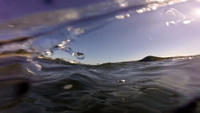
Photographed from Sørenga, Oslo’s fjord has a glossy sheen. Beneath it the water is murky, over-used and under-protected. I spent much of this summer at that waterfront, using creative methodologies developed during my PhD to build an artistic archive for two research projects.
My three-month placement at the Norwegian Institute for Nature Research (NINA) spanned Helene Figari’s Just Urban project in Oslo and Rose Keller’s soundscape research. At the outset I sent the Just Urban team a proposal for Water Symphony, an audiovisual work following water through Oslo, built on one of their work packages. Helene replied with a table: my methods on one side, and on the other, each translated through Just Urban’s social-science lens. Ethnography became our shared language. I joined Helene and two colleagues observing how people use green space at Sørenga and Bjørvika, and my films, recordings and field notes became project data. Helene encouraged me to keep asking what art makes perceptible that other methods might miss.
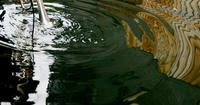
Water Symphony took shape in three acts. The first, Bodies, observes human and more-than-human life at the waterfront: swimmers, gulls and jellyfish, a Midsummer gathering, grocery bags and postal vans. The second, Green Space, moves between close framings that look almost like wilderness and wider shots revealing planters set on pillars over former fjord. The third, The Hum, goes beneath the surface. I asked trumpet player Theresa Coffey to help develop this part of the audio work from materials I had gathered. She played graphic scores made from stills of my footage with the bell submerged beside a hydrophone, so you hear breath, bubbles, fingers tapping on brass.
With Rose in Femundsmarka National Park, I carried out listening surveys on how sightseeing planes intrude on visitors’ experience. I also brought handmade listening zines, a method developed over the past year in workshops with community and student groups. Each held a liquid history of the Røa, southern Scandinavia’s only undammed river, with questions about listening with the river’s life in mind. A ranger of thirteen years listened through a hydrophone and drew what he heard onto the zine’s map, from lively water over stones to old boggy reaches where we wondered how much the river remembers.
I came wanting experience of interdisciplinary work, qualitative fieldwork and writing for publication, and got all three in unexpected ways. Rose has brought me into a research group, a South African colleague is now looking for an artist to work with, and Helene has written me into a follow-on project that would run to 2030 if funded.
My advice is to meet your hosts before you go. Helene and I had spoken several times online and had a good sense of one another before the placement began. It meant we both worked to make it a useful experience for each other. A reciprocal relationship builds stronger connection and understanding. Finally, if your practice is creative, don’t shrink it to fit. Instead, find ways to communicate how it can illuminate a project.